Gijsbert de Jong, Bureau Veritas Marine Marketing and Sales Director, said: “With this new publication Bureau Veritas provides the industry with a clear framework for the classification of offshore service vessels and tugs based on an end-user friendly system of class notations reflecting the terminology used by the industry. This document is the culmination of a development plan aimed at addressing the specific requirements of key offshore operations in our rules.”
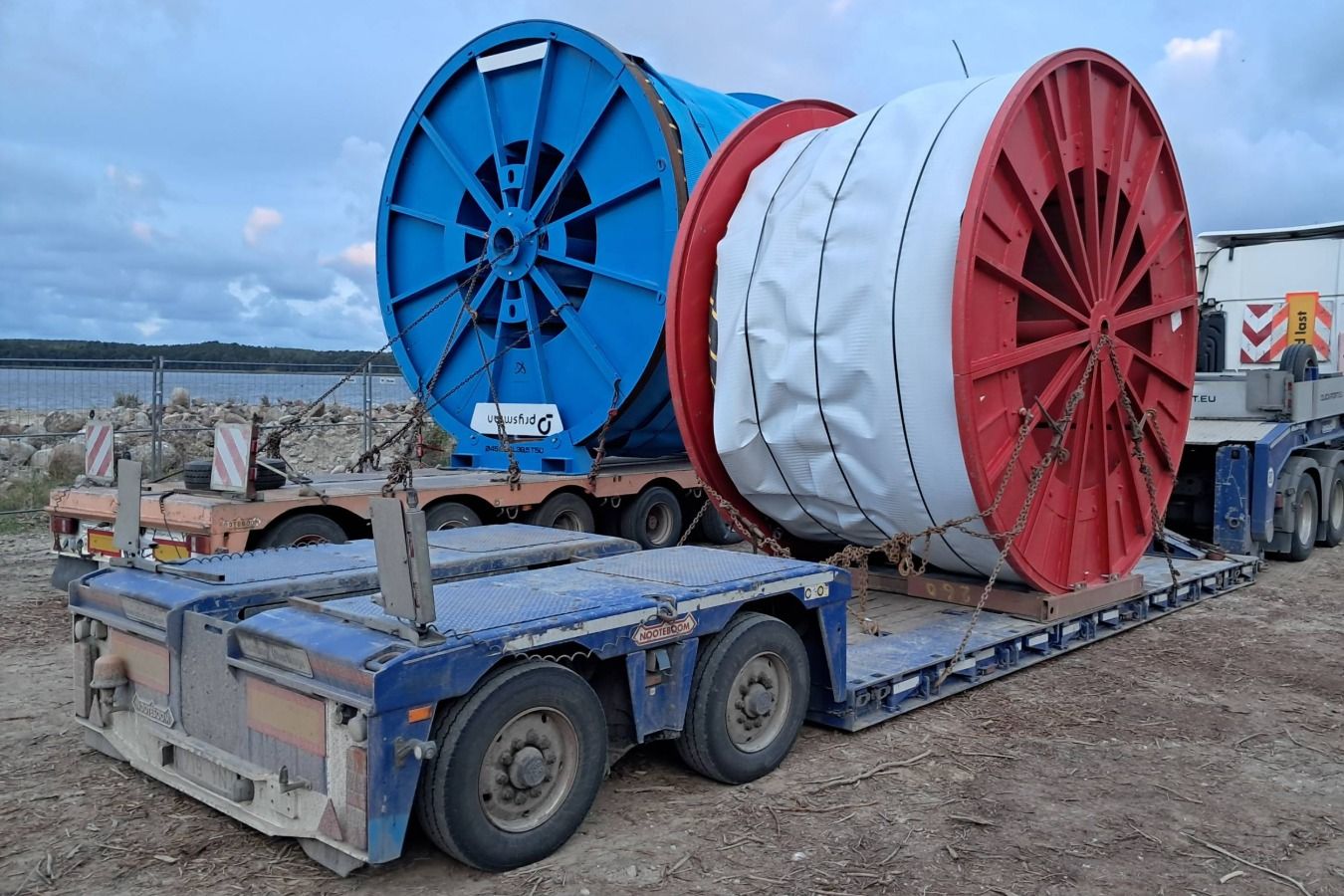
The new rules set out requirements for the classification of a wide range of vessels performing construction, installation, maintenance and other support activities at sea. These requirements cover towing, anchor handling, supply, fire-fighting, oil recovery, diving support, lifting, standby and rescue, accommodation, pipe laying, cable laying and semi-submersible heavy transport vessels.
New and updated class notations and service features have also been included for:
- Wind turbine installation vessels.
- Self-elevating units - covering the legs and elevating systems fitted on liftboats
- MOUs (Mobile Offshore Units) Code compliant accommodation.
- SP[PoB]-capable (Special Purpose / number of persons on-board), indicating compliance with the 2008 SPS Code for an anticipated increase of the number of persons on-board.
- Service notations for tugs and escort tugs – indications for the design values of bollard pull, steering/braking force and speed, in combination with operating area notations for restricted operations as applicable, i.e. for harbour tugs or coastal tugs.
Feedback, from international cross-industry projects and working such as SafeTug and a range of IMO groups focused on stability for towing, anchor handling, lifting operations and supply operations, has been incorporated into the new rules.
The rules entered into force on 1 July 2017 as described in a new booklet (NR467-E), which is now part of the Rules for the Classification of Steel Ships.